 Bloc Medical
Bloc Medical
Bloc Medical
In today's world, ensuring proper protection against airborne contaminants is crucial. This brings us to the significance of N95 respirators. However, few know how to fit test an N95 respirator at home accurately. A good fit ensures maximum protection, but many overlook the importance of this step.
Proper fit testing is not merely a formality; it determines how well the respirator seals around your face. An improper fit can lead to inhaling hazardous particles. Home fit testing can enhance your safety, but it requires attention to detail and some practice.
You may face challenges during the process. Perhaps the respirator feels loose or uncomfortable. These flaws require your reflection. It’s essential to revisit the fitting methods to achieve a better seal. With the right approach, you ensure effective use of your N95 respirator, prioritizing health and safety in your environment.
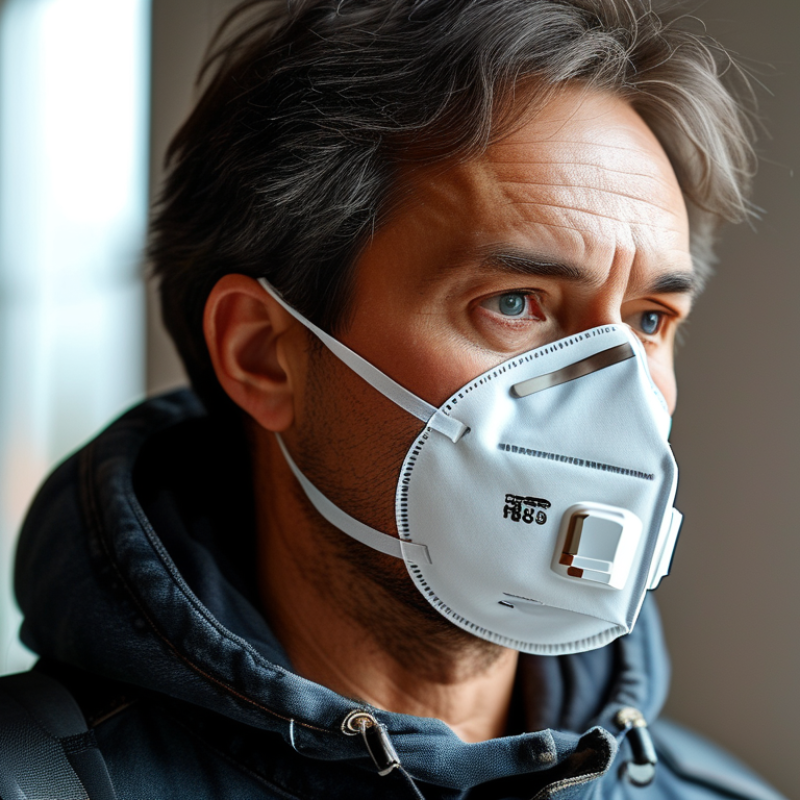
Proper fit testing of your N95 respirator is essential for ensuring effective protection. A well-fitted respirator creates a tight seal against your face, blocking harmful particles. If there are gaps, airborne contaminants can enter and compromise safety. Individuals often underestimate the consequences of a poor fit. A loose fit could lead to inhaling viruses or other harmful agents.
To test the fit of your N95 at home, begin with a simple breathing test. Place the respirator on your face and secure it with the straps. Breathe in and out deeply. If you feel air escaping around the edges, the fit is inadequate. Another technique involves looking in the mirror. If you can see any gaps or if the respirator does not lay flat against your face, adjustments are needed. This is a crucial step often overlooked by many.
Real-life experiences impact how one perceives the importance of fit testing. Some individuals might find their respirators uncomfortable or restrictive. It’s essential to reflect on the fit before relying on the protection. Adjust the straps or try different sizes as necessary. Discomfort could lead to improper usage, ultimately affecting your safety. Knowing how to properly fit your N95 respirator helps protect you and those around you from potential health risks.
| Test Method | Description | Fit Check Result | Recommendation |
|---|---|---|---|
| Visual Inspection | Check for any damage, proper assembly, and that the size is appropriate for your face. | Pass/Fail - Look for gaps. | If fail, try adjusting the straps or choose a different size. |
| Negative Pressure Fit Test | Place your hands over the exhalation valve and breathe out gently. Watch for any air leaks. | Pass/Fail - No air should escape. | If fail, reposition the respirator and retest. |
| Positive Pressure Fit Test | Cover the inhalation valve and inhale; the respirator should collapse slightly. | Pass/Fail - Should see a slight collapse without significant leaking. | If fail, adjust the mask or try a different model. |
| Wearing Comfort Check | Wear the mask for a few minutes and assess comfort and fit. | Pass/Fail - Should feel secure yet comfortable. | If uncomfortable, consider a different style or brand. |
: You need a mirror, a spray bottle with mild soap solution, and a small fan for airflow.
Use the spray bottle to mist around your face while wearing the mask. Breathe deeply to see if you feel air.
Your facial structure can change throughout the day. Testing at different times may show varied fit success.
Adjust the straps for a snug fit. The mask should pull in toward your face when you inhale.
Discomfort may indicate the wrong size. Adjust the fit or try a different size to improve comfort.
If the mask does not collapse when you inhale, it might not be sealing properly. Readjust it.
Fogging indicates the mask may not be sealing at the top. Adjust the nose clip for a better fit.
Reassess the fit regularly, especially after long breaks or if feeling uncomfortable.
Yes, fit may change due to factors like eating or facial movements. Testing regularly is important.
Gaps reduce effectiveness. Take time to adjust the mask and straps for a proper seal.
Fitting an N95 respirator properly is crucial for ensuring optimal protection against airborne particles. To understand how to fit test an N95 respirator at home, one must first gather essential materials, including a saline solution and a mirror for visual checks. The process involves several step-by-step instructions that guide users through wearing the respirator while assessing for leaks and ensuring a snug fit around the face.
Common fit issues, such as gaps between the respirator and the face, can be identified, with troubleshooting tips provided to enhance the fit. Finally, maintaining and caring for your N95 respirator after testing is essential to prolong its usability and effectiveness. By following these guidelines, individuals can ensure they are well-protected while wearing their N95 respirator.
